More information
Thanks to real-time monitoring of airborne particles and mould risk, healthcare professionals and patients are better protected in a safer environment.


Airborne infections

Environmental control

24/7 monitoring

Dust Containment

Construction management

HVAC Maintenance
Monitoring and controlling air quality in hospitals and healthcare facilities is essential for ensuring biosafety and reducing the risk of nosocomial infections, as well as for continuously supervising environmental conditions in critical areas such as clean rooms.
The Nanoenvi IAQ device, with its Dust Control data visualisation platform, is an Internet of Things (IoT) solution designed specifically for healthcare environments. It enables automatic analysis of air quality in hospitals based on the main parameters affecting the airborne transmission of microorganisms, such as particulate matter.
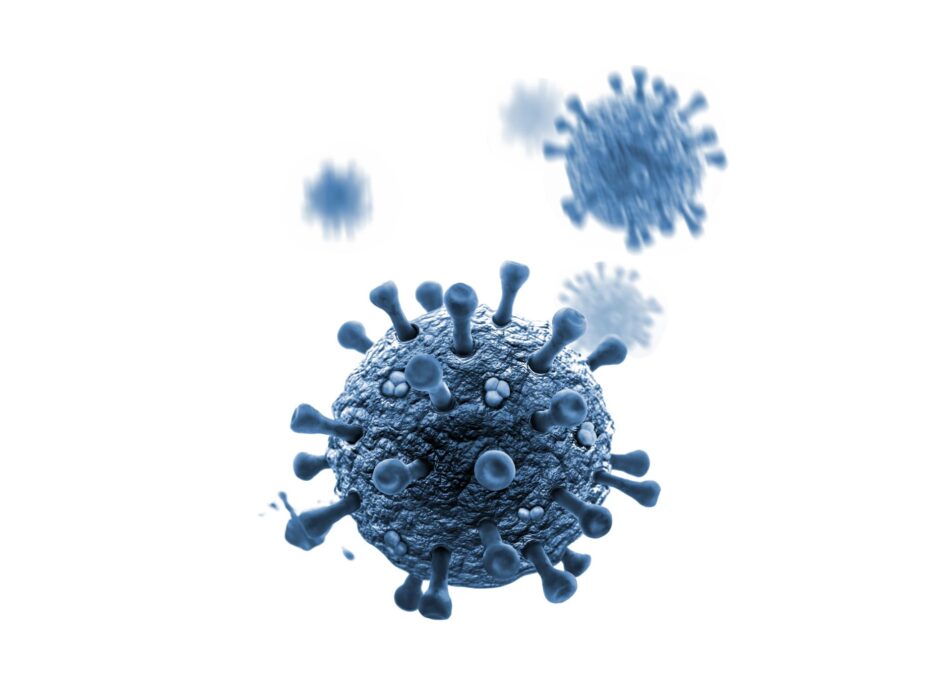
Dust and airborne particles act as invisible vectors that transport pathogens such as bacteria, viruses and fungal spores.
Measuring indoor air quality allows the early detection of environmental conditions that favour the movement of microbes through the accumulation of particles in the air or excess humidity and temperature that promote the generation and proliferation of mould.
Proactive environmental control in hospitals is essential for the
prevention of biological risks in the air and the reduction of Healthcare-Associated Infections (HAIs).
Dust and airborne particles act as invisible vectors that transport pathogens such as bacteria, viruses and fungal spores.
Measuring indoor air quality allows the early detection of environmental conditions that favour the movement of microbes through the accumulation of particles in the air or excess humidity and temperature that promote the generation and proliferation of mould.
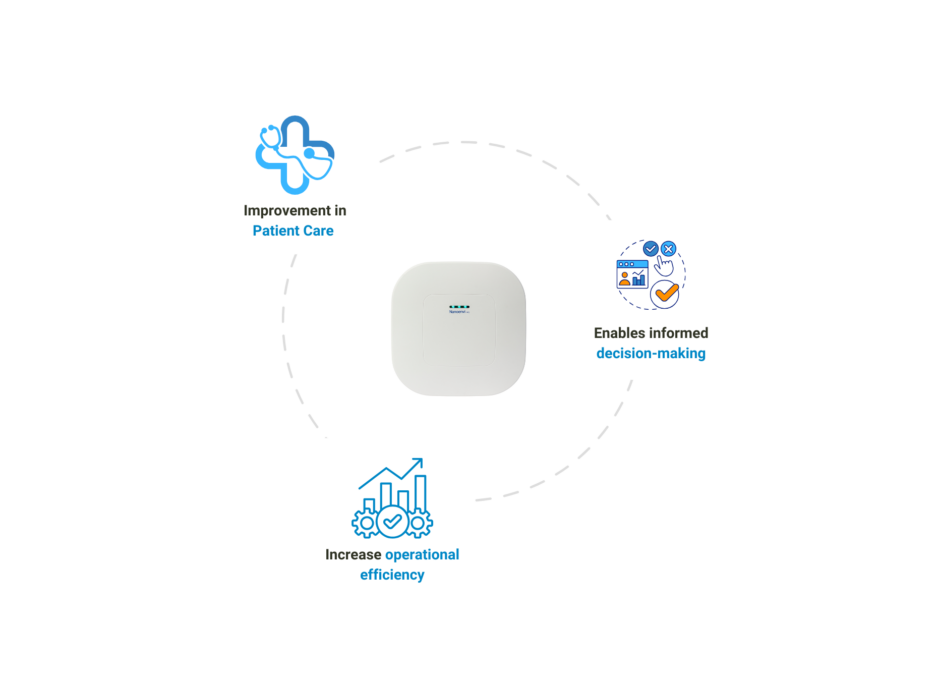
Ensuring indoor air quality brings direct benefits to hospital management:
The Nanoenvi IAQ device has been designed to provide accurate, continuous, real-time measurement of the main parameters that affect the spread of nosocomial infections and indoor air quality in healthcare environments.
Its advanced IoT sensor technology detects invisible contaminants that directly affect the health and comfort of patients and healthcare personnel.

Dust and particulate matter PM
PM1 particulate matter is one of the most common vectors for the transmission of microorganisms in hospitals. It can carry fungal spores, bacteria or viruses, especially in areas close to construction or renovation sites.

Temperature and Humidity
Temperature and relative humidity influence thermal comfort, which promotes an optimal environment for patient recovery. They are also decisive factors in the proliferation of microorganisms, such as moulds and bacteria.

Carbon dioxide - CO2
The CO₂ level is used as an indirect indicator of occupancy and ventilation in spaces. This ensures proper air renewal and helps to control capacity in areas at risk of aerosol transmission.

Atmospheric pressure - hPa
In pressurised rooms, pressure control is particularly important to prevent air exchange between clean and dirty areas, and also to detect leaks.
Hospital infrastructure is subject to routine maintenance tasks, expansion work and extraordinary repairs, as well as a host of other activities that require speed. Therefore, it is often difficult to strike a balance between environmental biosafety and the performance of these tasks.
Dust and debris generated during construction and maintenance work serve as a vehicle for the spread of fungi and bacteria that cause nosocomial infections, as documented by scientific evidence. Some examples of routine maintenance activities in a healthcare facility that generate dust and particles are:
| Painting work | Electrical work |
| Plumbing work | Remodelling work |
| Cable routing | Rubble removal |
| Outdoor work | Furniture removal |
Although it is common practice to assess risks in hospital construction and maintenance work using the ICRA Matrix, the only way to guarantee the effectiveness of preventive measures and the absence of dust is through continuous air quality monitoring.
References and studies on environmental biosafety in hospital construction and the minimisation of biological risks.
Ensures dust control at all times
To verify that the physical barriers set in dirty or infectious rooms are functioning correctly, airborne particle control must be carried out in clean rooms and in rooms and corridors adjacent to these areas.
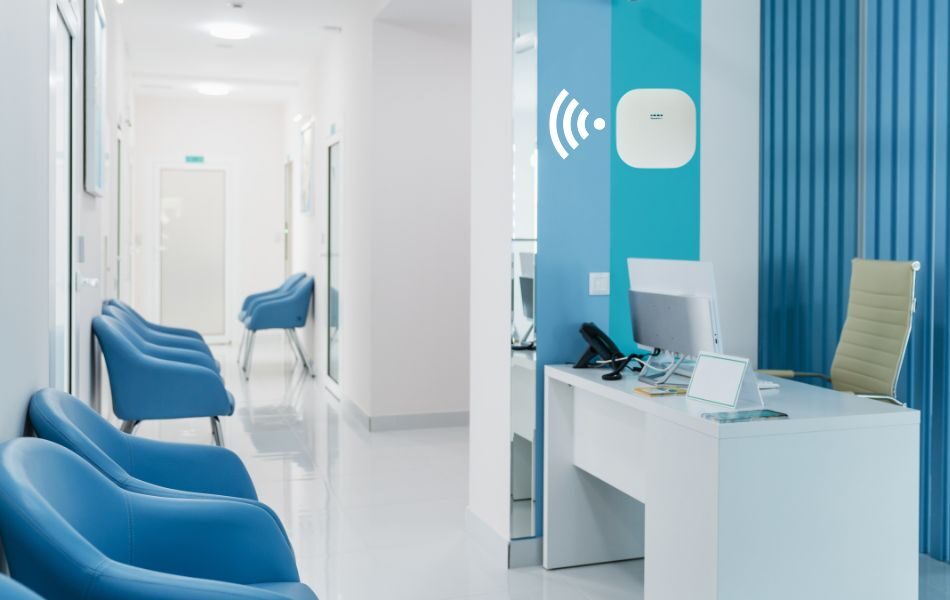
Thanks to its small size and straightforward installation process, the Nanoenvi IAQ device can be placed in any space without the need for construction work, and it can be relocated as required.
The Dust Control data platform is specifically designed for controlling fine particles, enabling concentrations to be monitored before, during, and after these tasks.
Automatic control, historical data and patterns
Having automated air quality data allows a hospital to:

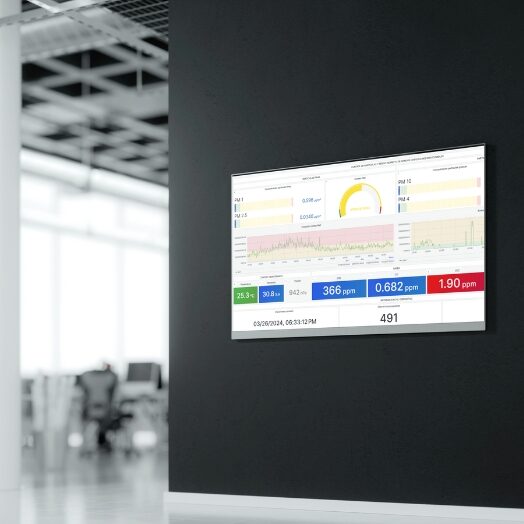
Dust Control is a multi-user and management data platform that can be accessed from any internet-enabled device. Experience the interface first-hand and familiarise yourself with the tool that will help you to analyse air quality in hospital environments.
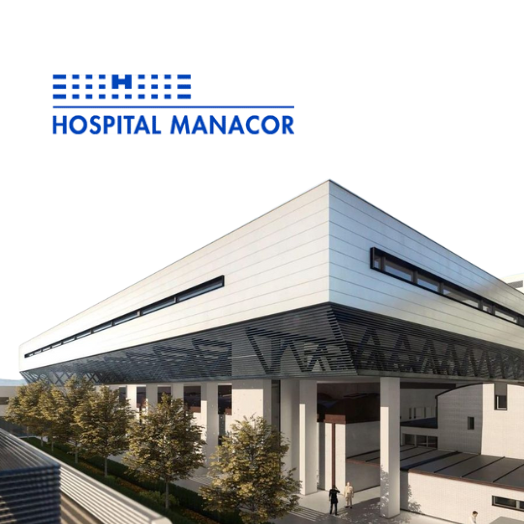
The successful management of the construction project at Manacor Hospital.
During the expansion works at Manacor Hospital, the Nanoenvi IAQ sensor network enabled the Hospital Hygiene Department to monitor and contain dust levels inside the hospital at all times, ensuring they remained close to zero.
Click on this link to read more about the success story of Manacor Hospital.
Because air can act as a vector for transmitting pathogens. Real-time monitoring allows environmental risks such as airborne particles or conditions that favour the proliferation of microorganisms to be detected, enabling preventive action to be taken to avoid nosocomial infections.
It measures suspended particles (PM1, PM2.5, PM10), CO₂, volatile organic compounds (VOCs), carbon monoxide (CO), temperature, relative humidity and atmospheric pressure. All of these are directly related to air quality and environmental biosafety in healthcare facilities.
Installing them in the spaces between dirty or infectious rooms and clean rooms allows for environmental monitoring that prevents microorganisms from travelling to clean rooms via aerosols or dust suspended in the air.
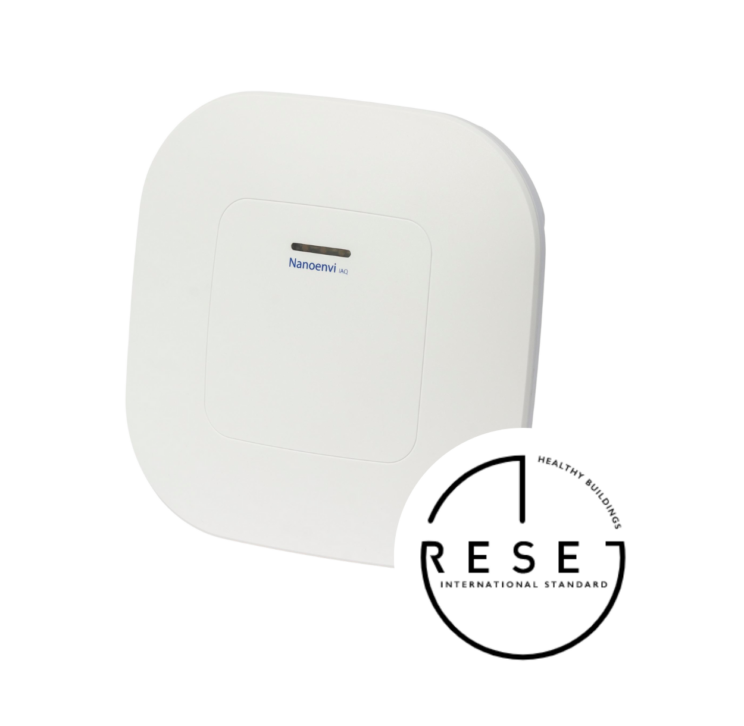
Yes, Nanoenvi IAQ is RESET certified, a recognised international standard that guarantees the accuracy, stability and reliability of environmental monitoring devices used in highly demanding buildings such as hospitals.
It allows you to make decisions based on real data, optimise maintenance and cleaning resources, generate reports for audits, and ensure compliance with regulations such as UNE 100713, 171340, and ISO 14644, among others.
Do you want to know more about Hospital airborne dust control monitoring system?