More information
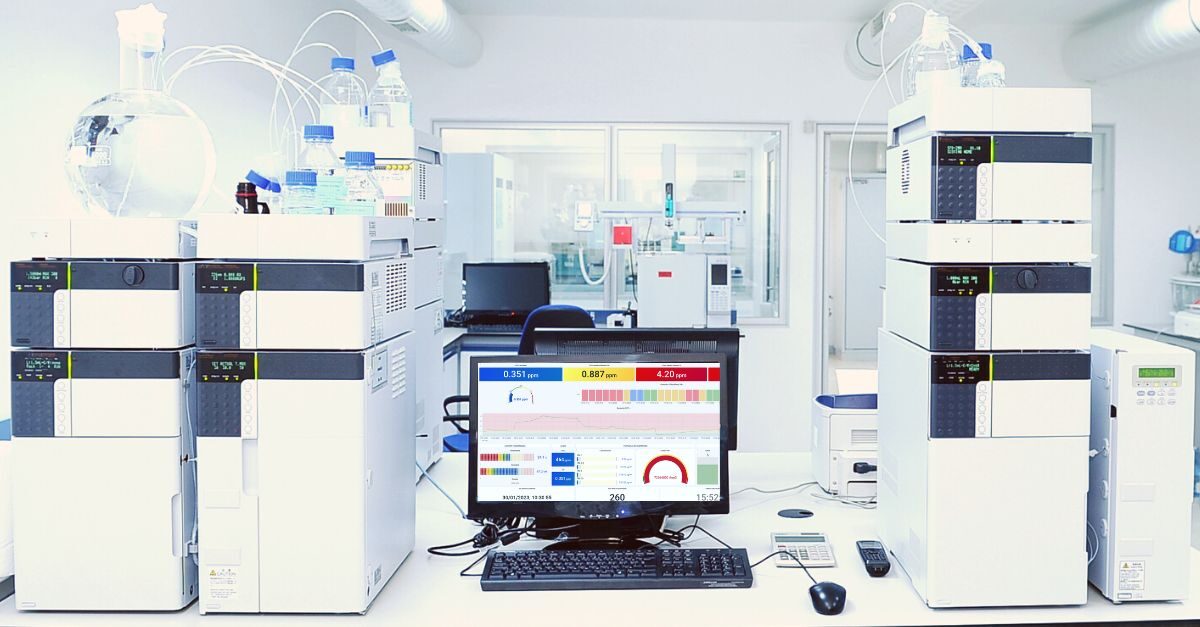
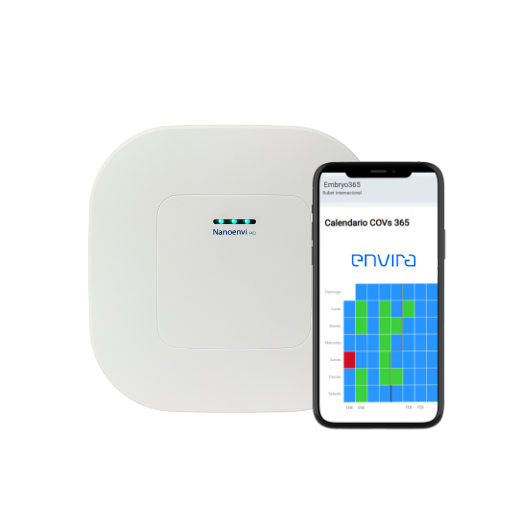
Real-time VOC monitoring system for embryo culture. Ensure optimal air quality and improve embryo development.

VOCs Monitoring

Environmental stability

Cairo Consensus

Safe protocols

Easy installation

Higher success rate
In vitro culture exposes gametes and embryos to external stress factors against which they have no defence mechanisms. Studies examining environmental and atmospheric pathogens have indicated that air quality in laboratories, and more specifically Volatile Organic Compounds with their embryotoxic nature, may play an important role in in vitro embryogenesis, implantation and conception outcomes.
Therefore, air quality control that ensures that fertility laboratory is free of harmful VOCs is essential for optimising IVF success rates.
To this end, we have developed Nanoenvi IAQ Embryo 365, the real-time environmental monitoring system designed specifically for the critical environments of an embryology laboratory. Our technology provides you with the accurate and continuous data you need to improve embryo culture conditions, identify risks and take action before they affect results.

Fluctuations in volatile organic compounds (VOCs), peaks in suspended particles (PM) or minimal variations in temperature and humidity can cause significant cellular stress in embryos.
This stress not only affects their development and quality, but also directly impacts implantation rates and the success of treatments.
These contaminants, which are undetectable without the right technology, compromise the positive results of your assisted reproduction company.
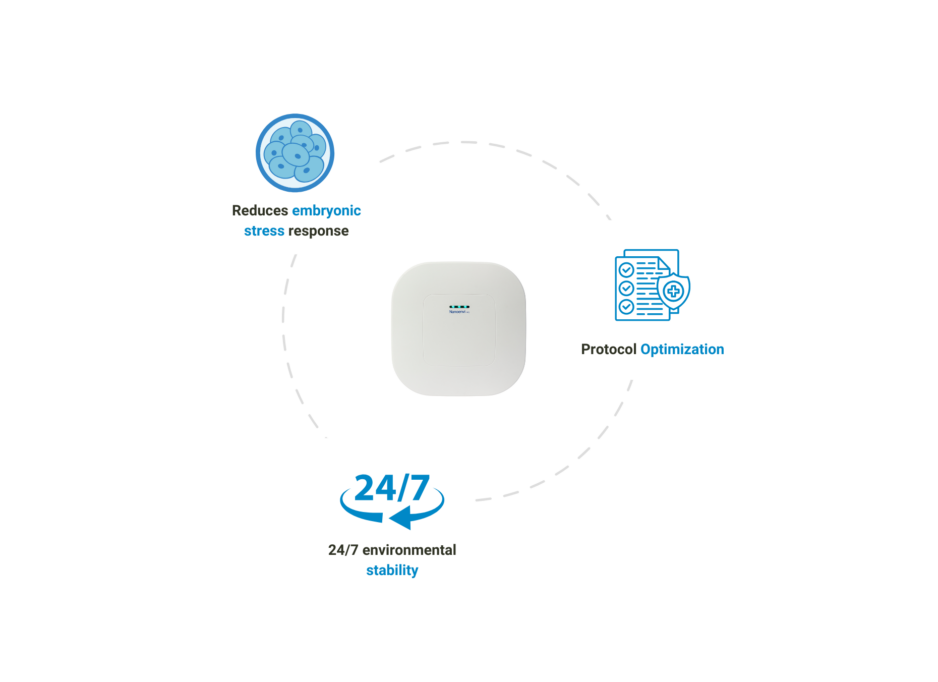
The advantages of having an air pollutant control system are clear:


Air quality is no longer a secondary factor: it has become a fundamental pillar of good practice in IVF laboratories. This importance was confirmed by the Cairo Consensus, a meeting of international experts that established guidelines for the design and management of assisted reproduction laboratories.
The consensus is clear: Volatile Organic Compounds (VOCs) are a direct threat to embryo viability. These compounds, released by building materials, furniture, cleaning products and even laboratory equipment itself, can have embryotoxic effects.
For this reason, one of the key recommendations of the Cairo Consensus is to go beyond passive filtration systems and adopt continuous, active monitoring of critical air parameters.
Only with real time measuring, pollution peaks can be identified and ensure that culture conditions are always maintained within safety thresholds.

Volatile Organic Compounds
VOCs are highly volatile hydrocarbons that come from numerous sources, including personal hygiene products, laboratory materials and equipment, cleaning products, etc. Continuous monitoring is critical due to their embryotoxic nature.

Particulate matter - PM
Suspended particles can act as vectors for contaminants and affect the sterility of the culture environment.

Temperature and Humidity
Ensuring environmental stability by controlling temperature and humidity is essential to prevent stress in embryos.

Carbon Dioxide and Monoxide
High levels of CO2 or CO in the environment can indicate poor air renewal, which in turn promotes the concentration of other pollutants such as VOCs.
It is now possible to continuously monitor air quality in IVF laboratories and assisted reproduction clinics. The Nanoenvi IAQ system allows for 24/7 environmental control of critical parameters that affect embryo culture quality, such as temperature, relative humidity, volatile organic compounds (VOCs), CO2, and airborne particles.
Thanks to its customised alarm system, you can receive instant alerts by email or SMS if deviations from optimal values occur, as well as access a data history for audits and traceability.
Reduces environmental toxicity
The presence of airborne contaminants from personal hygiene products, cleaning products or laboratory materials can seriously affect embryo viability.
Nanoenvi IAQ continuously measures these invisible contaminants and allows laboratory teams to take action before they affect the culture environment.
This allows you to:

Embryo 365 is a multi-user data management and visualisation platform that can be accessed from any device with an internet connection. Experience the interface first-hand and familiarise yourself with what will become your tool for monitoring COVS and air quality parameters to improve embryo culture conditions in your assisted reproduction clinic.
Because the laboratory environment directly affects embryonic development. Contaminants such as VOCs or particles can alter the culture and reduce the success rate.
It measures temperature, relative humidity, total VOCs (TVOC), PM1, PM2.5, PM4 and PM10 particles, CO2 and CO concentration, and barometric pressure.
Detect contaminants affecting embryos in real time and allows rapid intervention by adjusting ventilation or identifying emission sources.
Yes. Nanoenvi IAQ allows remote access to data from any device and offers configurable alerts via email or SMS.
Do you want to know more about VOC Meter for IVF Lab & Fertility Clinics?